The Biography of Armor for Sleep
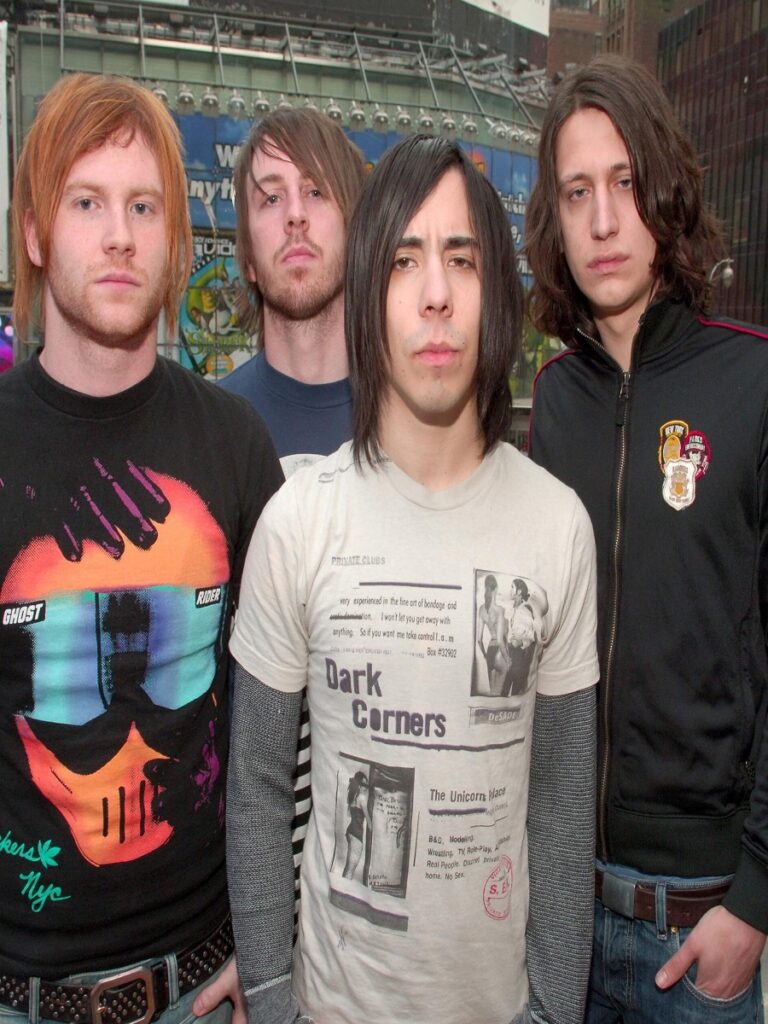
Armor for Sleep is an American rock band that originated in 2001 in the New Jersey music scene. Founded by Ben Jorgensen, who serves as the band’s lead vocalist and guitarist, the original lineup also included guitarist and backing vocalist Jason D. and drummer Angelo M. The band was heavily influenced by the emo and post-hardcore genres, elements which are evident in their early work. Their sound is characterized by introspective lyrics and a blend of melodic and heavy instrumentals, attracting a dedicated fanbase over the years.
Key milestones in the band’s career began with their early performances in local New Jersey venues, which helped them to hone their craft and gain regional support. In 2003, Armor for Sleep released their debut album, “Dream to Make Believe,” which garnered significant attention in the underground music scene. The album showcased their unique sound and established them as a serious contender in the realm of emo music.
Following the success of their debut, Armor for Sleep signed with the major label, Sire Records. This opportunity led to the release of their sophomore album, “What to Do When You Are Dead,” in 2005. This album dealt with themes of life, death, and existentialism, further solidifying their place in the genre. Over the years, the band faced several lineup changes; however, Jorgensen remained the consistent driving force behind the music. The evolution of their sound over time reflects a blend of personal growth and shifts within the music industry itself.
Throughout their career, Armor for Sleep has maintained a loyal following while navigating the complexities of the music business. Their journey highlights not only the challenges faced by artists but also the resilience required to thrive in a competitive environment. Their ability to adapt and evolve has secured their status in the alternative rock landscape, making them a noteworthy band within the genre.
Key Albums by Armor for Sleep
Armor for Sleep, an influential band in the early 2000s alternative rock scene, released several albums that defined their sound and showcased their evolving artistry. Their debut album, Dream to Make Believe, released in 2003, marked a significant entry into the genre. The album features a blend of emo and post-hardcore elements, creating a captivating atmosphere characterized by introspective lyrics and dynamic instrumentals. Tracks such as “Car Underwater” and “Hold the Door” became fan favorites, establishing the band’s identity as a voice for a generation grappling with angst and emotional struggles.
Following their debut, Armor for Sleep’s second studio album, What to Do When You Are Dead (2005), further solidified their place in the music landscape. This concept album explores themes of mortality and the afterlife, reflecting a darker, more mature tone compared to their earlier work. The intricate storytelling and melodic hooks can be heard in standout tracks like “So Cold” and “The Truth About Heaven.” Its critical reception was generally positive, noted for its ambitious approach and sonic depth, making it a crucial part of their discography.
In their subsequent release, How to Sleep (2007), the band took a different turn, incorporating more mainstream rock influences while retaining their signature sound. This album was pivotal in showcasing the band’s versatility and willingness to experiment. Tracks such as “The Big Sleep” and “Born to Lose” highlight this evolution, demonstrating a refined songwriting ability and a more polished production style. Though not as commercially successful as their previous albums, How to Sleep is frequently regarded by fans as an essential piece of the Armor for Sleep legacy, illustrating their growth and adaptation within the music industry.
Notable Songs from Armor for Sleep
Armor for Sleep has crafted a distinctive sound that resonates deeply within the alternative rock genre, and several of their songs stand out as exemplary illustrations of their artistic vision. One notable track is “Car Underwater,” which encapsulates the band’s propensity for blending emotive lyrics with haunting melodies. The song’s exploration of themes related to loss and introspection is amplified by its atmospheric instrumentation, which creates a sense of yearning that is palpable to listeners. Critics have lauded this track for its emotional weight, often considering it a defining moment in Armor for Sleep’s discography.
Another significant song is “The Truth About Heaven,” which features compelling storytelling and showcases the band’s ability to tackle complex emotional narratives. The lyrics navigate the intricacies of personal relationships, a theme that resonates strongly with fans who find solace in the vulnerabilities expressed throughout the song. The instrumentation also contributes to the overall mood, with an engaging balance of soft verses and explosive choruses that effectively emphasizes the emotional highs and lows inherent in the song’s narrative.
“Never Take Friendship Personal” remains a fan favorite and is frequently highlighted during live performances. This track exudes an energy that electrifies the audience, making it a must-play at concerts. Its catchy hooks and relatable lyrics touch upon friendship dynamics and the struggles of sustaining relationships, allowing fans to connect personally with the song’s message. The band’s live renditions further enhance its appeal, as they inject raw emotion and spontaneity into their performances, reinforcing the communal experience that music often fosters.
Overall, these notable songs exemplify Armor for Sleep’s unique sound and the emotional depth that characterizes their music. The band’s ability to weave intricate narratives through their lyrics, combined with powerful instrumentation, has garnered a dedicated fan base and critical acclaim, making them a significant presence in the alternative rock scene.
Critical Reception and Reviews of Armor for Sleep
Armor for Sleep has consistently received attention from both music critics and fans, particularly for its significant contributions to the post-hardcore and emo genres. Their debut album, “Dream to Make Believe,” was released in 2003 and was met with a generally positive response. Critics praised the band for their emotional lyrics and unique sound, which blended elements of rock with introspective themes. The album’s combination of aggressive instrumentals and melodic vocals resonated with listeners, establishing a devoted fanbase early on.
Following their sophomore effort, “What to Do When You Are Dead,” reviews highlighted the band’s growth in lyrical sophistication and musical complexity. The album, often regarded as a concept record, was noted for its ambitious structure and thematic exploration of loss and existentialism. Critics from reputable music publications cited the album’s poignant storytelling and atmospheric soundscapes, marking a significant evolution in Armor for Sleep’s artistry. This increased depth led some reviews to claim that the band was redefining what post-hardcore could encompass.
Subsequent releases, such as “Welcome to Forever” and “The Way of the Sun,” continued to draw mixed but generally favorable reviews. Fans appreciated the band’s dedication to maintaining emotional authenticity, while criticisms occasionally targeted their experimental elements diverging from earlier styles. Despite these critiques, Armor for Sleep has influenced many emerging artists within the emo and post-hardcore scenes, noted for their ability to balance heaviness with vulnerable lyrical content. As they continue to release music, the band’s relevance in the modern music landscape remains significant, drawing new listeners while maintaining a loyal following.